

The Skin Barrier as a Living Interface: Biology, Disruption, and Repair
The Skin Barrier as a Living Interface: Biology, Disruption, and Repair
The Legacy Castle
Pompton Plains, NJ
October 8, 2026
9:00 a.m. – 4:30 p.m.
Ticket sales have closed for this event.
The Skin Barrier as a Living Interface: Biology, Disruption, and Repair will bring together leading experts from academia and industry to explore the evolving science of the skin barrier and its importance to skin health and cosmetic innovation. Moving beyond the traditional view of the stratum corneum as a passive physical barrier, the symposium will examine the skin as a dynamic, biologically active interface shaped by lipid organization, the microbiome, the pilosebaceous unit, inflammation, nutrition, environmental stressors, and individual differences. Presentations will connect these fundamental insights with emerging approaches to barrier strengthening and repair, sensitive skin, advanced topical delivery, dermal bioavailability, and molecular photoprotection—providing attendees with a comprehensive perspective on how advances in skin biology are informing the next generation of skin care technologies.

Agenda
9:00 to 9:30 a.m.
Registration and Welcome Coffee
9:30 to 9:40 a.m.
Opening Remarks
Anushka Nadkarni (NYSCC Chair) and Roger L. McMullen, Ph.D. (Event Chair)
9:40 to 10:05 a.m.
Dissolving Microneedles: A Next-Generation Platform for Enhanced Skin Delivery
Sesha Rajeswari Talluri, M.S. (Rutgers University)
10:05 to 10:30 a.m.
Evaluation of Natural Moisturizing Factors in Patients with Atopic Dermatitis from Diverse Racial/Ethnic Populations Following a Prebiotic Skincare Regimen
Hawasatu Dumbuya, Ph.D. (L’Oréal USA)
10:30 to 10:55 a.m.
Stratum Corneum Organization and Barrier Function in Healthy and Compromised Skin
David J. Moore, Ph.D. (University of Edinburgh)
10:55 to 11:10 a.m.
Morning Coffee Break
11:10 to 11:35 a.m.
The Skin Microbiome and Its Role in Barrier Maintenance and Repair
Elizabeth Grice, Ph.D. (Perelman School of Medicine, University of Pennsylvania)
11:35 a.m. to 12:00 p.m.
The Role of the Pilosebaceous Unit in Skin Barrier Function
Roger L. McMullen, Ph.D. (Ashland, Inc.)
12:00 to 1:00 p.m.
Lunch and Networking
1:00 to 1:25 p.m.
Modern Strategies for Skin Barrier Strengthening, Repair and Protection
Stephen Lynch, Ph.D. (L’Oréal USA)
1:25 to 1:50 p.m.
Is There a Correlation Between Self-Perceived Sensitive Skin and Skin Barrier Strength?
Nava Dayan, PharmD, Ph.D. (Dr. Nava Dayan, Ltd.)
1:50 to 2:05 p.m.
Afternoon Coffee Break
2:05 to 2:30 p.m.
Nutritional Modulation of Epidermal Function: Implications for Barrier Integrity and Skin Aging
Michael Anthonavage, M.S. (Vitaquest International)
2:30 to 2:55 p.m.
Understanding the Skin Barrier as a Living Interface: Predictive Surrogate Approaches to Dermal Bioavailability and Bioequivalence
Seepra Rath, Ph.D. (Rutgers University)
2:55 to 3:20 p.m.
Advanced Molecular Photoprotection Platform
Steven Rosenfeld (The F.C. Sturtevant Company)
3:20 to 3:30 p.m.
Closing Remarks
3:30 to 4:30 p.m.
Cocktail Reception
Speaker Abstracts and Biographies
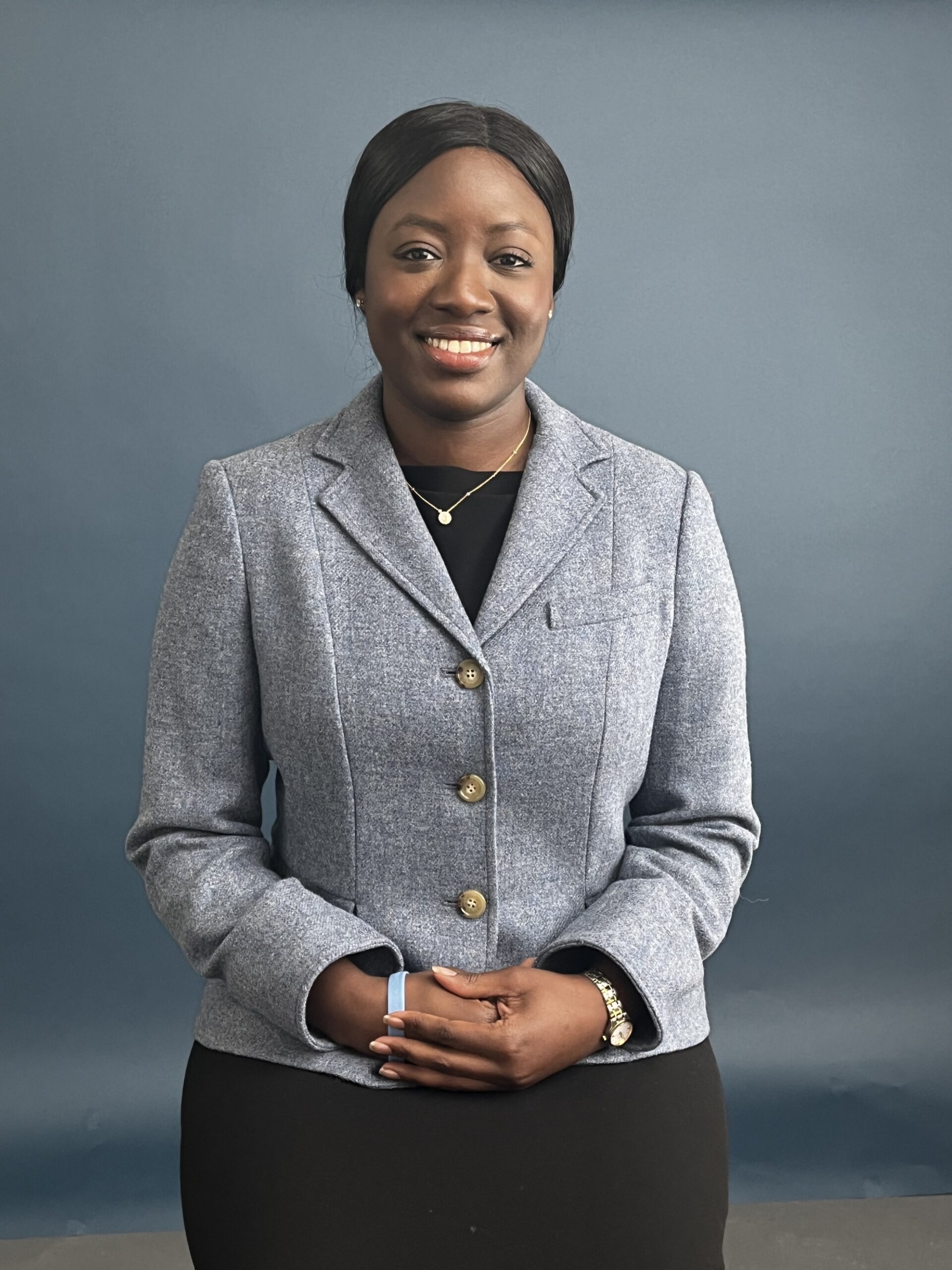 Evaluation of Natural Moisturizing Factors in Patients with Atopic Dermatitis from Diverse Racial/Ethnic Populations Following a Prebiotic Skincare Regimen – Hawasatu Dumbuya, Ph.D. (L’Oréal USA)
Populations with skin of color (SOC) remain underrepresented in atopic dermatitis (AD; eczema) clinical trials despite disparities in disease incidence and persistence. This lack of inclusive recruitment and retention has contributed to AD being understudied in diverse racial and ethnic populations and potentially misdiagnosed or underrecognized because of differences in clinical presentation compared with White populations.
To address this gap, we established an inclusive clinical research program to evaluate the benefits of a prebiotic skin care regimen in managing AD and xerosis (severe dry skin) and to identify potential differences in skin barrier properties across diverse populations.
Hawasatu Dumbuya, Ph.D.
Dr. Dumbuya is a research scientist trained in cell biology and physiology who specializes in clinical research for skin care product evaluation. She earned her B.S. from MCPHS University in 2013 and her Ph.D. from Brown University in 2017, where she studied ultraviolet light-induced melanin synthesis.
After completing her doctorate, Dr. Dumbuya joined L’Oréal USA Research & Innovation, leading efforts to develop novel concepts and protocols for clinical evaluations of new skin care ingredients. Currently leading Clinical Research & Medical Affairs for La Roche-Posay U.S. at L’Oréal, her work focuses on driving inclusive and comprehensive clinical evaluations and advancing scientific education across diverse audiences. Her research on photoprotection and atopic dermatitis has broadened dermatological insights across ethnically diverse populations and has been published and presented in leading dermatology forums. Beyond research, Dr. Dumbuya is dedicated to community outreach and promoting STEM education among underrepresented students, efforts for which she has received prestigious awards.
 Stratum Corneum Organization and Barrier Function in Healthy and Compromised Skin – David J. Moore, Ph.D. (University of Edinburgh)
The outer layer of the human epidermis, the stratum corneum (SC), provides a robust and effective permeability barrier that makes human terrestrial life possible. Recent studies have identified more than 1,200 ceramide species in human SC, which, in combination with saturated free fatty acids and cholesterol derivatives, constitute the SC lipid matrix. The permeability barrier function of skin ultimately derives from the intermolecular and intramolecular organization of SC lipids and their interactions with the terminally differentiated cells of the SC.
Recent analytical studies have reported significant changes in SC lipid composition associated with skin diseases, environmental stresses, lifestyle, and life stage. Less studied, however, are the associated changes in molecular organization and their impact on barrier function, regulation of protein activity, and maintenance of other physical and chemical gradients necessary for healthy skin. This presentation will describe results from biophysical studies illustrating the importance of SC lipid organization to healthy skin and the impact of external physical and chemical stresses on the skin barrier.
David J. Moore, Ph.D.
In 2024, David was appointed Chair in Formulation Science in the School of Physics and Astronomy at the University of Edinburgh, where he works closely with the Edinburgh Complex Fluids Partnership and its industrial partners and collaborators. He also co-supervises several Ph.D. students working on topical formulations and skin barrier science in collaboration with colleagues in physics, engineering, and dermatology, as well as industrial sponsors.
David has been involved in biophysical studies of skin, membranes, hair, and mineralized tissue, as well as cosmetic and pharmaceutical topical formulation development, for 25 years. He has worked in the U.S. and UK for GSK, Unilever, International Specialty Products (now Ashland), TRI Princeton, and Tioga Research. In addition to his industrial roles, David has held visiting academic positions at Rutgers University, Princeton University, and University College London. He is currently an adjunct professor at the University of Cincinnati and an adjunct fellow of TRI Princeton.
David has served as an industrial advisor and sponsor to doctoral students at Stanford, Princeton, Vanderbilt, and Rutgers in the U.S., and UCL, Imperial College, and the universities of Newcastle, Durham, Leeds, and Edinburgh in the UK. An inventor on several patents and co-author of more than 100 peer-reviewed papers, review articles, and book chapters, David is an elected Fellow of the Royal Society of Chemistry and was co-chair of the 2019 Gordon Research Conference on The Barrier Function of Mammalian Skin.
 The Skin Microbiome and Its Role in Barrier Maintenance and Repair – Elizabeth Grice, Ph.D. (Perelman School of Medicine, University of Pennsylvania)
The skin microbiota contributes directly and indirectly to the skin’s primary function as a barrier to the external environment. Breach of the skin barrier and subsequent tissue repair also occur in the context of resident polymicrobial communities. Our laboratory investigates these microbially mediated functions in skin barrier maintenance and repair by integrating analysis of clinical specimens with translational models of host–microbiota interactions and multi-omic approaches.
This presentation will highlight mechanisms through which the microbiota and its products directly contribute to skin barrier function, including antagonism of pathogenic microbes and interactions with keratinocytes that promote epithelial differentiation, barrier function, and repair. These mechanisms represent promising translational targets that could potentially be leveraged to promote optimal skin health and function.
Elizabeth A. Grice, Ph.D.
Dr. Grice is Professor and Vice Chair of Basic Science Research in the Department of Dermatology, with a secondary appointment in the Department of Microbiology, at the University of Pennsylvania Perelman School of Medicine in Philadelphia. Her scientific training began as an undergraduate at Luther College in Iowa, followed by a Ph.D. in Human Genetics from Johns Hopkins University in 2006. Her postdoctoral work at the NIH pioneered sequencing-based approaches to profile the topographic and temporal diversity of the healthy human skin microbiome.
Since 2012, Dr. Grice has led a multidisciplinary research group at Penn, integrating genomics, microbiology, skin biology, and immunology to investigate the roles of the skin microbiota in health and disease. She is also Director of the NIH P30-funded Penn Skin Biology and Diseases Resource Center (SBDRC) and Co-Director of the NIH T32-funded Penn Dermatology Research Training Program.
Dr. Grice serves on the Board of Directors of the Society for Investigative Dermatology and on the editorial boards of Genome Research and Microbiome. She is a Fellow of the American Academy of Microbiology and has received numerous awards for her work, including the Penn Medicine Michael S. Brown New Investigator Award, the Penn One Health Award, the Burroughs Wellcome Fund Investigator in the Pathogenesis of Infectious Disease Award, and the Sun Pharma Research Award from the Dermatology Foundation.
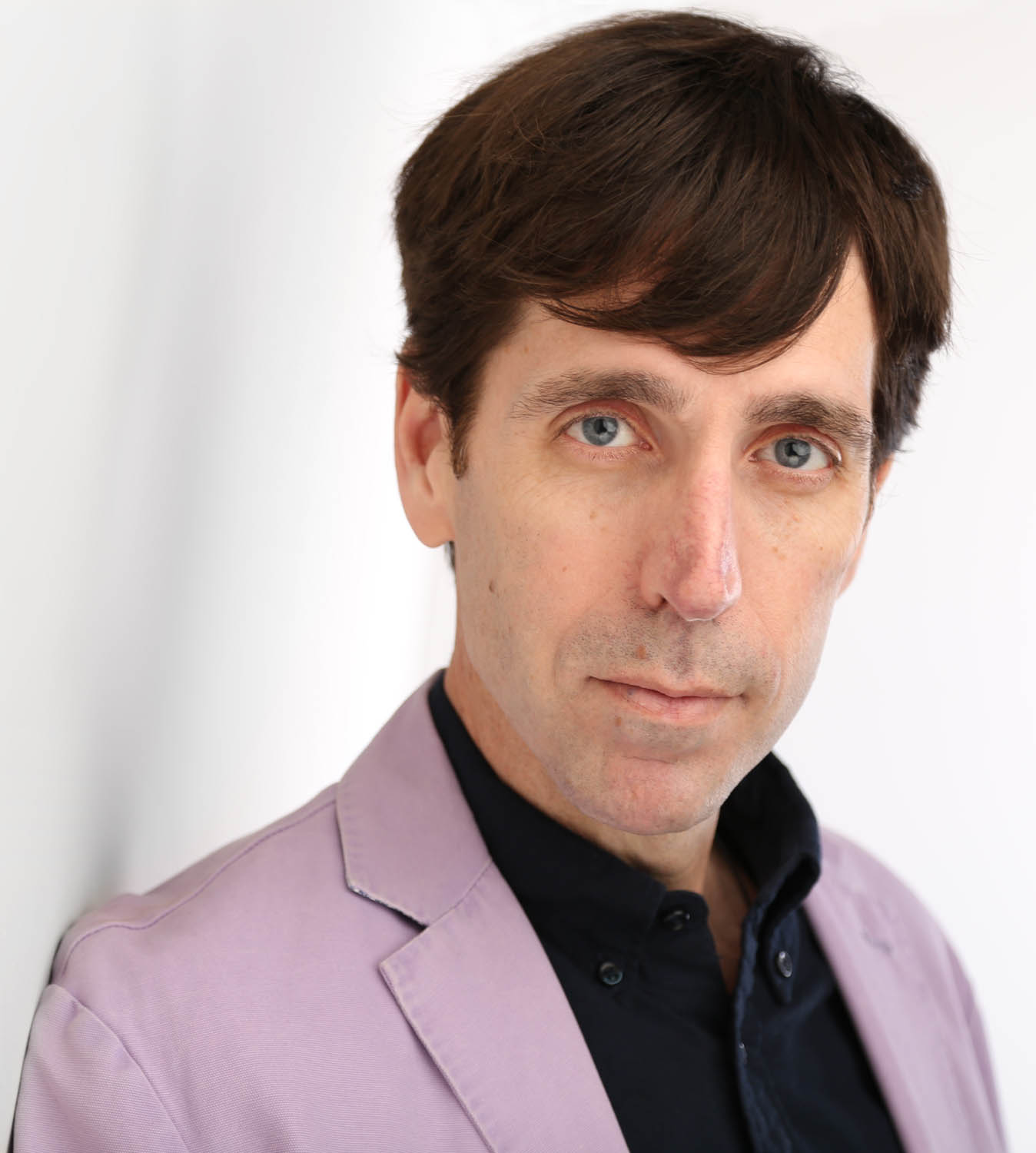 The Role of the Pilosebaceous Unit in Skin Barrier Function – Roger L. McMullen, Ph.D. (Ashland, Inc.)
The skin barrier is traditionally described in terms of the stratum corneum, where corneocytes and highly organized intercellular lipids provide the principal defense against water loss and penetration of external substances. However, the skin barrier is considerably more complex, encompassing physical, chemical, microbial, and immunological components. Increasing evidence suggests that the pilosebaceous unit—including the hair follicle, follicular epithelium, and sebaceous gland—is an important and often underappreciated contributor to these functions.
Rather than simply representing a discontinuity or potential pathway through the epidermal barrier, the upper hair follicle possesses its own permeability barrier and participates in communication with the surrounding interfollicular epidermis. The follicle also serves as a reservoir and potential route for the delivery of topically applied substances.
The sebaceous gland further contributes to barrier homeostasis through the production of sebum and its complex mixture of lipids, which influence the physicochemical properties of the skin surface, microbial ecology, and innate immune defense. Together, sebocytes, follicular keratinocytes, resident microorganisms, and immune cells form a dynamic biological interface capable of responding to environmental and physiological challenges.
Disruption of these interactions may contribute to inflammatory skin conditions and altered barrier function, while the follicular epithelium can also participate in epidermal repair following injury. This presentation will examine the current understanding of the pilosebaceous unit as an integrated component of the skin barrier and consider the implications of this emerging biology for skin health, topical delivery, and the development of future skin care technologies.
Roger L. McMullen, Ph.D.
Roger L. McMullen, Ph.D., has more than 25 years of experience in the personal care industry, with specialties in optics, imaging, and spectroscopy of hair and skin. He is a Principal Scientist at Ashland, Inc., where he leads the Materials Science team. Roger has authored more than 40 publications in peer-reviewed journals and textbooks and is the author of Antioxidants and the Skin, 2nd edition. He is the 2023 recipient of the Society of Cosmetic Chemists’ prestigious Maison G. de Navarre Award.
Roger holds a B.S. in Chemistry from Saint Vincent College and a Ph.D. in Biophysical Chemistry from Seton Hall University. He taught Biochemistry for almost 20 years at Fairleigh Dickinson University to students pursuing M.S. degrees in Cosmetic Science and Pharmaceutical Chemistry. He is currently on the faculty of the University of Cincinnati, where he mentors students in the Cosmetic Science program pursuing M.S. and Ph.D. degrees.
Prior to his career in science, Roger served for four years in the U.S. Navy aboard the USS Yorktown (CG-48). He is fluent in Spanish and Catalan and is also an avid wildlife photographer.
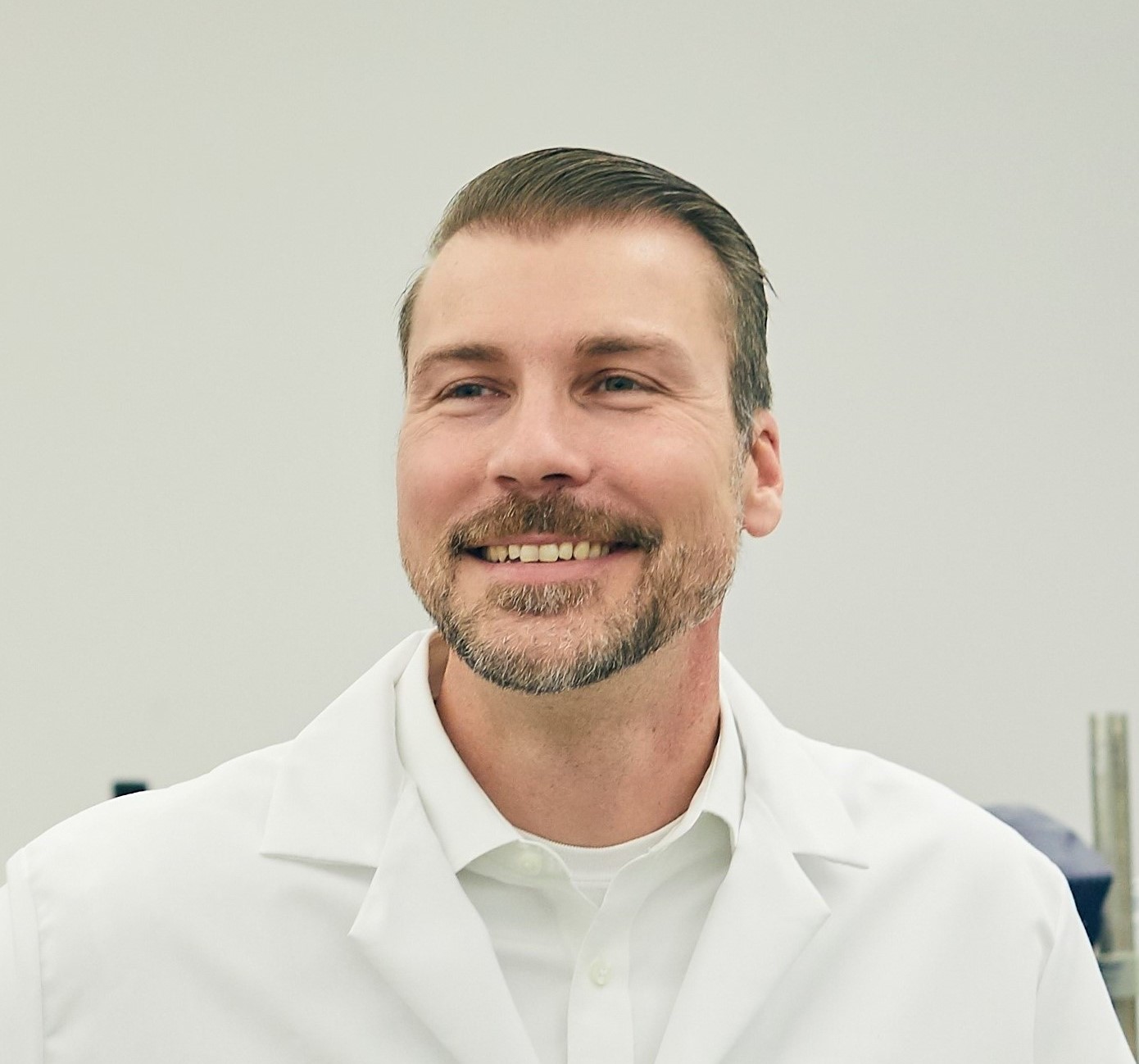 Modern Strategies for Skin Barrier Strengthening, Repair and Protection – Stephen Lynch, Ph.D. (L’Oréal USA)
As the outermost layer of the skin, the stratum corneum serves as a semipermeable barrier against water loss and protects against penetration of external aggressors. Chronological aging, disease conditions, and exposure to external stressors can compromise stratum corneum integrity and alter epidermal functions, including its capacity to protect against mechanical and chemical insults, maintain water balance, and support immunological defense.
Established strategies for topical skin barrier strengthening through moisturization with classical humectants, emollients, and occlusives have been well described. This presentation will supplement these fundamental concepts with modern approaches that seek to more actively restore and optimize skin barrier homeostasis. Relevant examples include replenishment of barrier lipids and natural moisturizing factors, balancing moisture gradients, modulation of the skin microbiota, and management of chronic inflammation.
Stephen Lynch, Ph.D.
Dr. Lynch is Associate Vice President of Skincare Development for L’Oréal USA Research & Innovation, where he has worked since 2014. As head of Scientific Valorization, he leads a team that supports skin care product development from project initiation through market launch, with a critical focus on communication of scientific knowledge, selection of active ingredients, coordination of testing, and substantiation of product claims. His team supports well-known skin care brands including L’Oréal Paris, SkinCeuticals, La Roche-Posay, CeraVe, and Kiehl’s.
Prior to joining L’Oréal, Stephen spent 10 years in the pharmaceutical industry conducting drug discovery research with Roche and Purdue Pharma. He holds a B.S. in Chemistry from the University of Richmond and a Ph.D. in Organic Chemistry from Emory University and has co-authored numerous peer-reviewed publications across diverse fields of scientific research.
 Is There a Correlation Between Self-Perceived Sensitive Skin and Skin Barrier Strength? – Nava Dayan, PharmD, Ph.D. (Dr. Nava Dayan, Ltd.)
Sensitive skin is a common condition characterized by discomfort such as stinging, burning, or itching in response to environmental or cosmetic triggers. While many individuals self-identify as having sensitive skin, the relationship between subjective perception and objective skin barrier integrity remains unclear.
This presentation will explore the concept of sensitive skin, examine its prevalence across various populations, and discuss its impact on quality of life and skin care routines. The structure and function of the skin barrier will be reviewed, along with methods used to assess barrier strength, including transepidermal water loss (TEWL) and hydration measurements. Current research examining the relationship between sensitive skin and barrier function will be discussed, as will additional contributing mechanisms involving neural, immune, and psychological factors.
Challenges associated with assessing sensitive skin will also be considered, highlighting the relationship between subjective experiences and objective measurements. The presentation will conclude with practical implications for skin care formulation and product development, as well as open questions and future research directions.
Nava Dayan, PharmD, Ph.D.
Dr. Nava Dayan is a leading expert in skin science with more than 33 years of specialized experience in cosmetics, pharmaceutics, pharmacology, and transdermal delivery systems. Through her consultancy, Dr. Dayan provides scientific advisory services spanning formulation development, skin microbiome research, safety and toxicity assessment, clinical study design, and innovation consulting. She has edited five books and published hundreds of articles in scientific journals, contributing significantly to the field. Known for bridging rigorous scientific methodologies with practical product solutions, she is a frequent speaker at global scientific conferences, offering thought leadership on emerging trends in cosmetic R&D.
 Dissolving Microneedles: A Next-Generation Platform for Enhanced Skin Delivery – Sesha Rajeswari Talluri, M.S. (Rutgers University)
Overcoming the skin barrier remains a key limitation in achieving optimal performance of cosmetic actives using conventional topical formulations. Dissolving microneedles (DMNs) have emerged as an innovative, minimally invasive technology capable of enhancing ingredient delivery while maintaining a positive consumer experience. This presentation will discuss the development of biodegradable dissolving microneedle systems designed to improve targeted skin delivery and efficacy of cosmetic actives.
The microneedles were engineered using biocompatible polymers to provide sufficient mechanical strength for reliable skin insertion, followed by rapid dissolution to enable controlled release within viable skin layers. Structural and functional characterization confirmed uniform morphology, insertion efficiency, and predictable dissolution behavior. In vitro permeation studies demonstrated significantly enhanced active delivery compared with traditional topical applications. By combining enhanced delivery with sustainability and user-friendly application, dissolving microneedles offer a versatile platform for next-generation skin care formulations, supporting precision delivery, improved performance, and innovative product development opportunities within the cosmetic industry.
Sesha “Raje” Rajeswari Talluri, M.S. (Ph.D. Candidate)
Sesha “Raje” Rajeswari Talluri is a Ph.D. student in Dr. Michniak’s Drug Delivery Laboratory at Rutgers University. She earned her bachelor’s degree in pharmacy from the University of Delhi and her master’s degree from Osmania University, India. During her Ph.D. studies, she has worked on various cosmetic science projects, including investigations of skin permeation of active ingredients using Franz diffusion cells and in vitro permeation testing.
Her work has also encompassed cosmetic formulations such as lipsticks, creams, and gels. She has experience in the design, development, and characterization of semisolid dosage forms and novel drug delivery systems. Prior to joining the laboratory, she served as an Assistant Professor of Pharmaceutics in India.
 Nutritional Modulation of Epidermal Function: Implications for Barrier Integrity and Skin Aging – Michael Anthonavage, M.S. (Vitaquest International)
The epidermis is a metabolically active tissue whose function is tightly regulated by nutrient-dependent processes, including keratinocyte differentiation, barrier lipid synthesis, enzymatic activity, and antimicrobial peptide (AMP) expression. This critical layer of the skin relies on diffusion of nutrients from the dermis, making systemic nutritional status an important determinant of barrier homeostasis. Nutrients and lipids supplied to the epidermis and pilosebaceous unit contribute to the structural basis of the permeability barrier and also act as signaling molecules that regulate proliferation, differentiation, and inflammation. These nutrients, together with those derived from the diet, are closely linked to epidermal differentiation through transcriptional regulation, biosynthetic pathways, intermediary metabolism, enzyme function, and microbiome regulation, thereby connecting nutrition with the innate immune functions of the skin.
The cumulative effects of intrinsic and extrinsic aging can disrupt nutrient delivery through mechanisms including increased oxidative stress, microbiome alterations, flattening of the dermal–epidermal junction, and reduced gastrointestinal absorption and bioavailability. These changes may contribute to diminished barrier function, increased transepidermal water loss (TEWL), and microbial dysbiosis. Nutrient depletion within the skin may further exacerbate functional decline, resulting in skin that is less resilient and more susceptible to environmental insult.
Targeted nutritional supplementation, including retinoids, niacinamide, essential fatty acids, antioxidants, and water- and lipid-soluble vitamins, may favorably modulate these pathways by supporting barrier composition and physiological activity, epidermal structure, and immune function throughout life. Collectively, these mechanisms position nutrition as an important consideration in cosmetic science and provide a biologically grounded strategy for addressing age-associated epidermal dysfunction and promoting healthier, more youthful-appearing skin.
Michael Anthonavage, M.S.
Michael Anthonavage is a senior innovation, operations, and technology executive with more than 30 years of experience across nutraceuticals, personal care, R&D, consumer health, and clinical research. He serves as Vice President of Innovation and Product Development at Vitaquest International, leading strategic innovation, formulation development, and cross-functional execution to drive growth and collaboration.
His expertise spans portfolio management, pipeline development, operations, and innovation. Previously, Michael served as Vice President of Operations and Technology at Eurofins Clinical Research Laboratories. He also held principal scientific roles at Johnson & Johnson, a Research Fellow position at Presperse, and a Director of Technology/Marketing role at Vantage Specialty Chemicals, where he led global bioactive platforms and innovation partnerships.
Michael is a seasoned skin biologist, research scientist, and educator. He is a member of the International Probiotics Association (IPA), Council for Responsible Nutrition (CRN), and American Botanical Council (ABC), and has served on the Scientific Advisory Board of the New York Society of Cosmetic Chemists for the past six years.
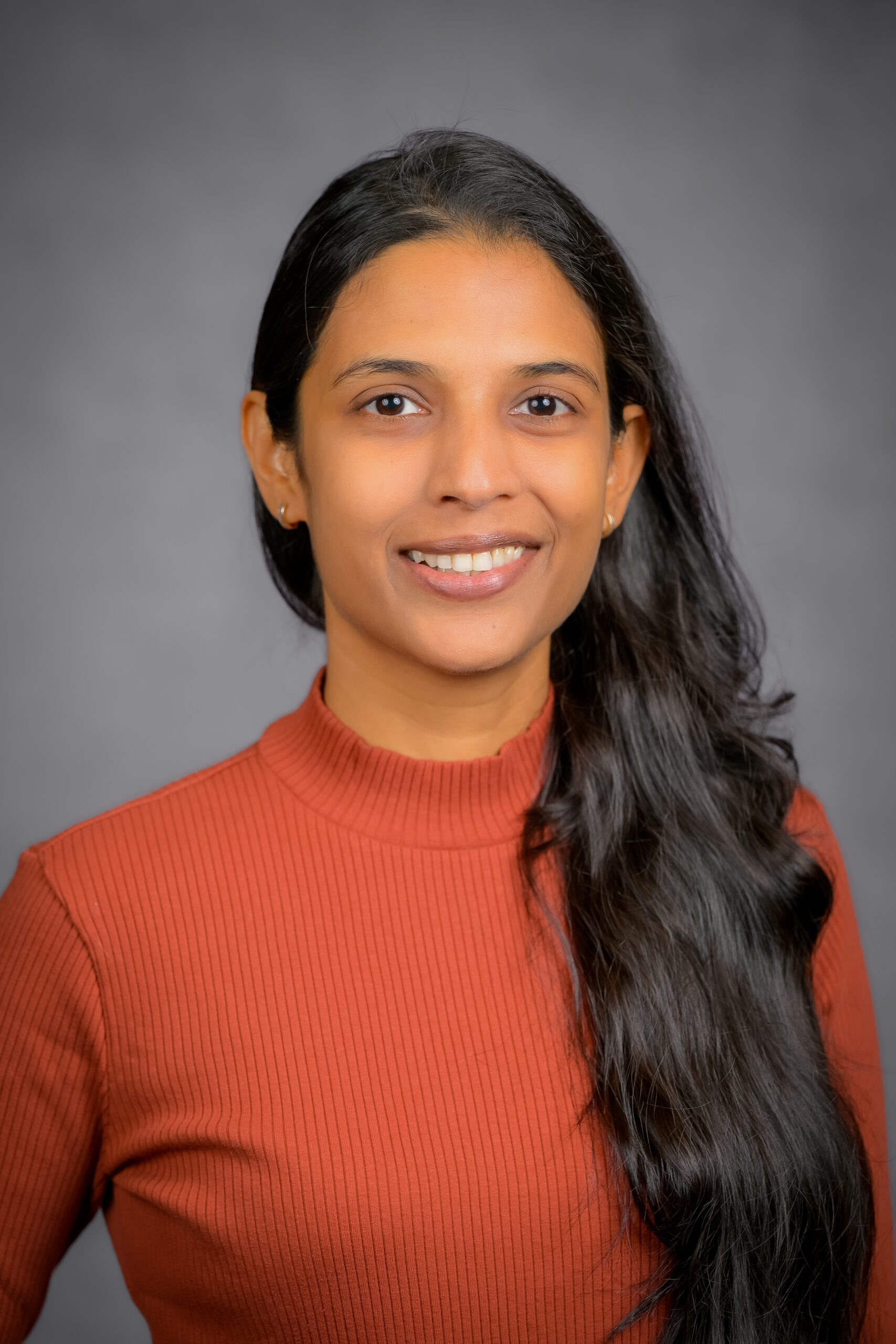 Understanding the Skin Barrier as a Living Interface: Predictive Surrogate Approaches to Dermal Bioavailability and Bioequivalence – Seepra Rath, Ph.D. (Rutgers University)
The skin barrier is a complex, metabolically active interface that presents unique challenges for assessing dermal bioavailability (BA) and bioequivalence (BE). Historically, demonstrating BE for complex topical formulations has relied on costly and highly variable clinical endpoint studies. This presentation explores the shift toward a comprehensive suite of predictive surrogate approaches designed to capture the skin’s dynamic physicochemical properties.
Established and emerging methodologies used to characterize dermal pharmacokinetics will be critically evaluated. These include regulatory-accepted methods such as the vasoconstrictor assay (VCA), traditional dermatopharmacokinetic approaches such as tape stripping, and high-resolution spatial techniques including confocal Raman microscopy (CRM). The strategic application of in vitro release testing (IVRT) and in vitro permeation testing (IVPT) will also be discussed, along with advanced ex vivo human skin explant models such as Genoskin.
The presentation will further examine how multidimensional empirical data can be integrated with physiologically based pharmacokinetic (PBPK) modeling. By combining physical characterization tools with mechanistic mathematical models, formulation scientists can simulate thermodynamic activity, partitioning, and spatial diffusion profiles. This integrated empirical and in silico framework has the potential to accelerate the rational design and evaluation of targeted dermatological therapeutics and sophisticated topical delivery systems.
Seepra Rath, Ph.D.
Seepra Rath is a Postdoctoral Associate at the Center for Dermal Research at Rutgers University. Her research focuses on the development, characterization, and translational evaluation of topical semisolid formulations. Prior to joining Rutgers, she was a MITACS Accelerate Postdoctoral Fellow at the University of Toronto, where she worked on model-based population pharmacokinetics and pharmacodynamics.
She completed her Ph.D. at Rhodes University, South Africa, where her research explored cost-effective and time-efficient alternatives to clinical endpoint studies, including in vitro release testing (IVRT) and tape stripping, to establish bioequivalence of topical drug products and support potential biowaivers. She has also been involved in clinical studies using vasoconstrictor assays to assess the bioavailability and bioequivalence of topical corticosteroids. Dr. Rath has presented her work at more than 25 conferences and has authored more than 17 peer-reviewed publications.
 Advanced Molecular Photoprotection Platform – Steven Rosenfeld (The F.C. Sturtevant Company)
Traditional sun care has focused primarily on preventing ultraviolet (UV) radiation from reaching the skin. However, UV exposure also initiates a cascade of biological responses, including oxidative stress, inflammatory signaling, disruption of cellular regulatory mechanisms, and damage to proteins and nucleic acids. These effects can contribute to photoaging, impaired skin homeostasis, and longer-term photodamage.
This presentation introduces an advanced molecular photoprotection platform designed to extend sun protection beyond conventional UV attenuation. The approach integrates broad-spectrum UV filters with antioxidants, anti-inflammatory actives, and cellular-protective technologies intended to mitigate downstream biological responses to UV exposure and support the skin’s endogenous defense mechanisms. Particular attention will be given to emerging molecular targets involved in the regulation of UV-induced inflammation, including YTHDF2-mediated control of inflammatory mRNA signaling.
By combining conventional photoprotection with strategies targeting oxidative stress, inflammation, and cellular resilience, this platform illustrates an emerging approach to next-generation sun care. Potential applications include daily and high-performance photoprotection, post-procedure care, occupational UV protection, and formulations for sensitive or high-risk populations.
Steven I. Rosenfeld
Steven Rosenfeld has been with The F.C. Sturtevant Company for more than 28 years. Prior to joining FCS, Mr. Rosenfeld was Executive Vice President at Barnett Laboratories, a specialty products pharmaceutical company that was acquired in 1993. Mr. Rosenfeld is an engineer with a specialized background in acoustic phenomena.
In January 2017, he was selected to receive the Albert Nelson Marquis Lifetime Achievement Award for his extensive experience and accomplishments in business. In 2018, Mr. Rosenfeld received the Pet Age Icon Award for his contributions to the animal health industry. A recipient of the Consumer Electronics Industry’s Design and Engineering Award (1985) and author of numerous articles, Mr. Rosenfeld is also a member of the National Academy of Recording Arts and Sciences and the Audio Engineering Society.
Mr. Rosenfeld holds a Bachelor of Science degree from Long Island University and was a master’s degree candidate at St. Francis College.
Event Chairs and Moderators
Symposium Chair: Roger L. McMullen, Ph.D.
Roger L. McMullen, Ph.D., has more than 25 years of experience in the personal care industry, with specialties in optics, imaging, and spectroscopy of hair and skin. He is a Principal Scientist at Ashland, Inc., where he leads the Materials Science team. Roger has authored more than 40 publications in peer-reviewed journals and textbooks and is the author of Antioxidants and the Skin, 2nd edition. He is the 2023 recipient of the Society of Cosmetic Chemists’ prestigious Maison G. de Navarre Award.
Roger holds a B.S. in Chemistry from Saint Vincent College and a Ph.D. in Biophysical Chemistry from Seton Hall University. He taught Biochemistry for almost 20 years at Fairleigh Dickinson University to students pursuing M.S. degrees in Cosmetic Science and Pharmaceutical Chemistry. He is currently on the faculty of the University of Cincinnati, where he mentors students in the Cosmetic Science program pursuing M.S. and Ph.D. degrees. Prior to his career in science, Roger served for four years in the U.S. Navy aboard the USS Yorktown (CG-48). He is fluent in Spanish and Catalan and is also an avid wildlife photographer.
 Assistant Chair: Raymond (Bret) Clark, M.S.
Raymond “Bret” Clark is a Technical Leader on the Spectroscopy team at Ashland Specialty Ingredients, specializing in nuclear magnetic resonance (NMR) and infrared (IR) spectroscopy. He is an active member of both the New York Society of Cosmetic Chemists (NYSCC) and the New York/New Jersey Section of the American Chemical Society (ACS) Spectroscopy group. Bret earned his B.S. in Chemistry from Rutgers University and his M.S. in Analytical and Organic Chemistry from Seton Hall University.
 Moderator: Joseph Albanese, M.S.
During his career in the personal care industry, Joseph Albanese worked for Avon, Shulton, and Colgate-Palmolive in both process and product development groups. Joe’s employment on the supply side of the industry included more than 12 years at GAF/ISP, where he progressed from formulation chemist to manager of the Hair Care Applications/Technical Service Laboratory. After many years in R&D, Joe transitioned into technical sales. He was also a member of the first graduating class of Fairleigh Dickinson University’s master’s degree program in cosmetic science.
Following his retirement from full-time employment, Joe remained active in the industry, working for three years as a consultant with Covestro, where he continued to apply his extensive technical and industry experience.
Joe has been a member of the Society of Cosmetic Chemists since 1984. Over the years, he has served the Society in numerous capacities, including Acting Secretary and Chair of the New York Chapter. He was also an Assistant Editor of the chapter’s monthly newsletter, Cosmetiscope, for many years and authored technical articles for the publication, including “Desperately Seeking Synergy,” which received the Best Paper Award.
Joe chaired multiple educational seminars for the NYSCC and presented technical talks to the New York Chapter and other regional chapters across the country on topics including cGMPs, rheology modifiers, sunscreens, and cold-process emulsions. At the national level, he served a term as Area I Director. In recognition of his technical accomplishments and many contributions to the Society, Joe was among the first recipients of the SCC’s “Marketing Fellow of the Society” award after being nominated by the Board of Directors. His longstanding service to the Society was further recognized with his designation as an Emeritus Member of the SCC.
Since retirement, Joe has also devoted considerable time to conservation and the outdoors. He is currently President of the Hudson River Fishermen’s Association, a 501(c)(3) conservation organization with a long history of advocating for the cleanup and protection of the Hudson River. The organization was part of the grassroots environmental movement that helped give rise to the Riverkeeper movement and, ultimately, the broader Waterkeeper Alliance. And, after a long career in cosmetic science and decades of service to the SCC, Joe now has a little more time for another lifelong interest: fishing.
 Moderator: Chandra Adeola Ade-Browne, Ph.D.
Dr. Chandra Ade-Browne, M.S., Ph.D., is a business leader with a background in scientific research and advanced training in Pharmaceutical Sciences and Biomembrane Sciences. She earned her Ph.D. and M.S. in Pharmaceutical Sciences from the University of Cincinnati, with a focus on Biomembrane Sciences, and holds a B.A. in Chemistry from the University of Rochester.
She began her career on the finished-goods side of the industry, with experience at organizations including P&G, L’Oréal, and Unilever, before transitioning to the supplier side in a technical sales role. She currently serves as a Technical Account Manager at Gattefossé, where she combines her scientific background with business acumen to address formulation challenges and translate scientific concepts into practical solutions.
As a speaker and a moderator, Dr. Ade-Browne brings a researcher’s curiosity and a business leader’s perspective to technical discussions. She is passionate about asking thoughtful questions, creating meaningful dialogue, and making connections.
Poster Session Topics
Restoring Barrier Function with Colloidal Sulfur and Niacinamide
Lidia Kulcsar (Aurorium)
Beyond Sunscreen: A Systems-Based Platform for Next-Generation Photoprotection
Steven I. Rosenfeld (Columbia SkinCare)
Skin Barrier as a Living Interface: Microbiota Disruption, Repair, and Prebiotic Inulin
Sharon Martin (Elevations LLC)
A Novel Amino Ester Technology Delivers Immediate Skin Surface Refinement with Enhanced Substantivity and Emolliency
Bryan Taylor (Inolex, Inc.)
A Multifunctional Sunflower Phospholipid Emulsifier to Support Skin Barrier
Adam Schatteman
Botanical Innovations for Skin Barrier Biology
Evellyn Juriaans (Chemyunion)
3D Restoration of Skin Barrier Function by Plant Extract
Dawn Kosaik (Croda Beauty Actives)
Galactomannans from Ceratonia Siliqua to Improve Skin Healing
Océane Christinaz, PharmD, MBA (SILAB, Inc.)
Deciphering the Lipid Modulation in Dry Skin to Propose a Dedicated Barrier-Restoring Active Ingredient
Nirali Parikh (SILAB, Inc.)
Ex-Vivo Human Skin Model for the Assessment of Barrier Repair and Skin Functionality in Rinse-off Products
Susan Sperring, M.S. (Symrise SRL)
* By registering for this event, you acknowledge that photography and video recording will take place for promotional, educational, and documentary purposes. Images may be used on NYSCC social media, website, marketing materials, and publications.